
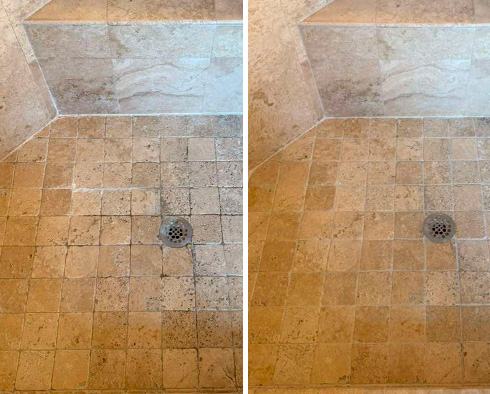
The grout and surface of the tiles in your bathroom or shower can turn white to yellow (even orange) for many reasons. We'll explain why.
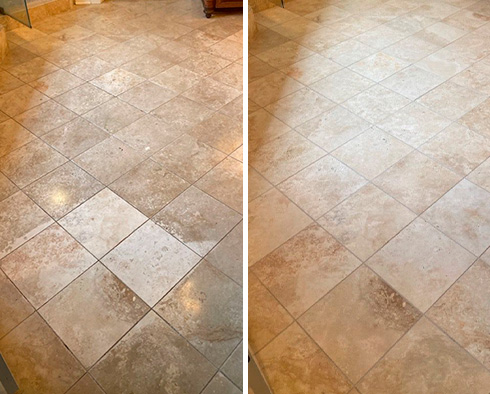
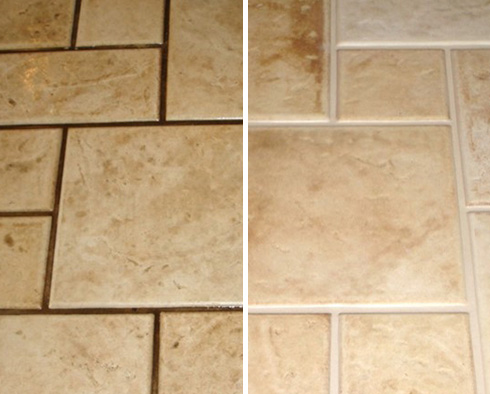
A homeowner in Kiawah Island, NC, reached out to us to improve his floor. His cleaning efforts yielded disappointing results.
The homeowner couldn't appreciate the beauty of his living room floor after finding clear signs of decay on the grout.
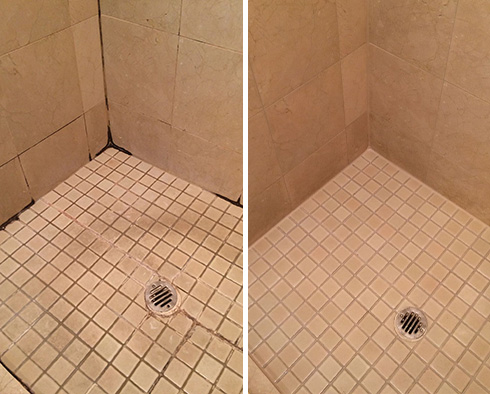
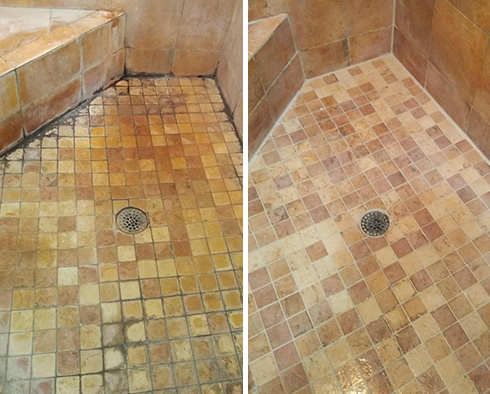
A homeowner in Mount Pleasant, SC, wanted to spruce up her bathroom floor. However, it had deteriorated, and her attempts yielded lackluster results.
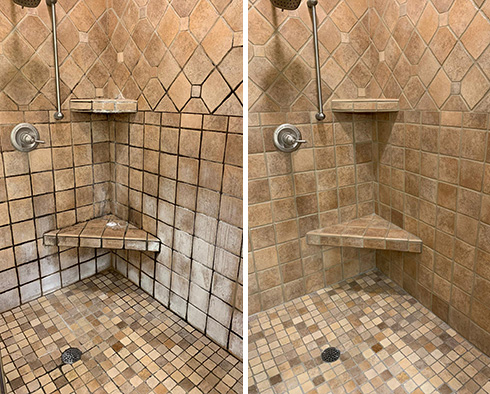
The homeowner could tell that regular cleaners did nothing to preserve the tiles' color while making the shower look dull and unattractive.
The homeowner wanted to restore the beauty of her bathroom, and she learned about our services just after giving up on regular cleaners.
How often should grout be replaced? That depends on a couple of factors such as type of grout, environment, and improper maintenance.
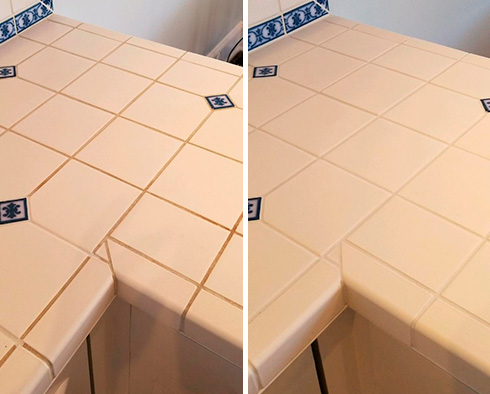
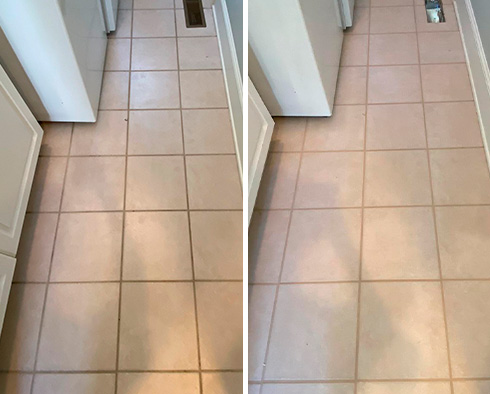
A homeowner in Charleston, SC, wanted to spruce up her worn-out surface. However, it had deteriorated, and her attempts yielded lackluster results.
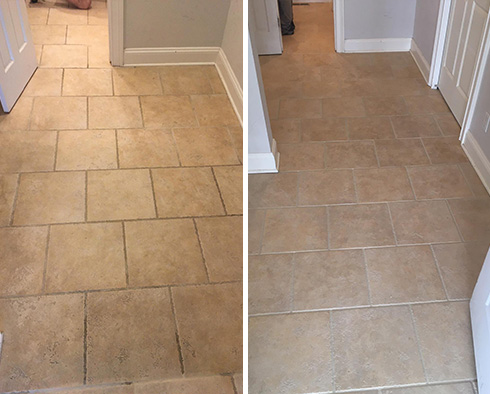
A homeowner in Charleston, SC, contacted us with a challenge. Her floor had deteriorated, and despite her efforts, the grout lines remained dark.
Have you ever wondered what goes in between tiles in a bathroom? It's called grout. Here's why it's important.
Book a complimentary consultation to discover all the ways our craftsmen can help you revive, revitalize, and restore the places you live most in your home.
For your convenience, below shows the various counties and cities where we provide service:
Berkeley, South Carolina
Charleston, South Carolina
Dorchester, South Carolina